Skip to content

Computational Fluid Dynamics (CFD) Engineering & Analysis Services

Reduce your design risk and cut physical prototype cycles through our expert Computational Fluid Dynamics (CFD) simulation and analysis. Save time and costly mistakes.

At MEGAGENIX, we apply deep engineering interpretation to raw simulation data, helping contractors and consultants optimize system layouts, right-size equipment, and pass regulatory audits before construction begins.

100+

Projects completed

50+

Combined years of experience

SG & MY

Offices & coverage

Trusted By
Google Data Centres
Singtel
Micron
PUB
LTA
Starhub
NCS
Legrand
Vertiv
Exyte
Trusted By
What We Do

What Does a CFD Consultant Do in Singapore?

A CFD consultant uses computational fluid dynamics software to simulate and analyse how air, heat, smoke, or fluid moves through a space or system — before any physical build takes place. In Singapore, this is most commonly applied to HVAC design validation, data center cooling optimisation, natural ventilation compliance, and fire safety smoke modelling.

CFD simulation reduces physical prototype iterations by up to 70%, cutting engineering validation costs and project timelines significantly — while improving design accuracy before systems are installed.

At MEGAGENIX, our engineers calculate velocity, pressure, viscosity, density, and temperature simultaneously under defined operating conditions. The result is a validated, data-backed engineering solution — not an assumption.

HVAC Systems
Data Centers
Cleanrooms
Fire Safety
Natural Ventilation
Schools & Offices
Warehouses
Biomedical
Industrial Facilities
70%

Reduction in physical prototype iterations using CFD

<27°C

Server inlet temperature maintained in data centre cooling projects

240s → 90s

Smoke clearance improvement achieved in fire safety simulations

<27°C

+ SCDF Fire Code · BCA Green Mark · ASHRAE 62.1

Core Technical Capabilities

Advanced Fluid and Thermal Modeling Scope

Our experienced mechanical engineers utilize high-fidelity numerical solvers to model complex steady-state and transient physics profiles across four critical Computational Capability categories.

Industry Applications

Specialized CFD Domain Expertise

We don’t believe in one-size-fits-all simulations. We tailor our boundary conditions and mesh structures to meet the strict physical realities of your specific sector.

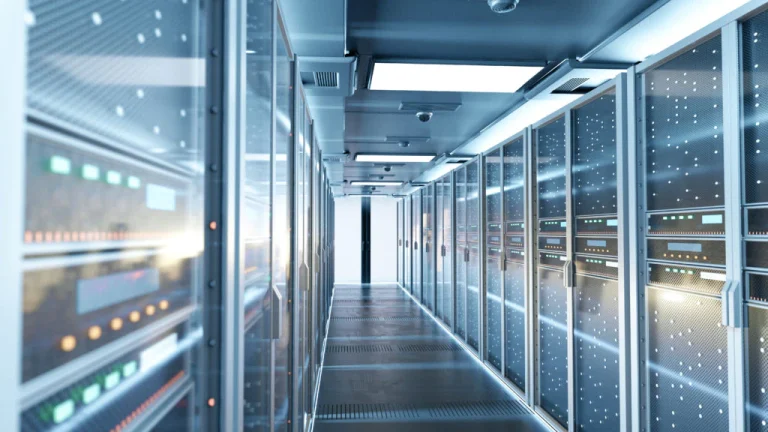
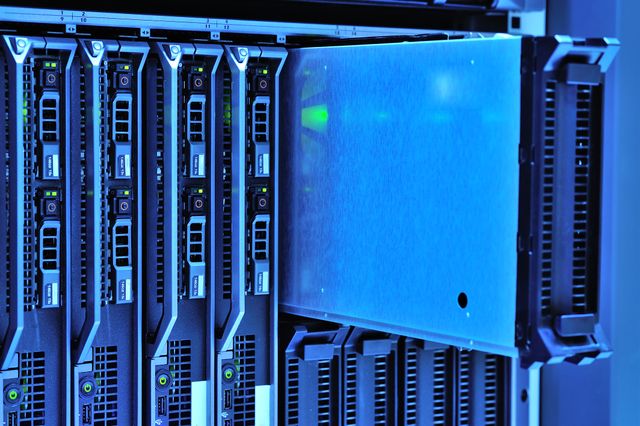
Server room with glass panels and blinking lights

↑ PUE improved from 2.1 → 1.6 in recent projects

Data Center Infrastructure (Indoor & External)

Maximizing Cooling Efficiency & Lowering PUE

We make internal and external airflow visible to eliminate localized hot spots and prevent equipment downtime.

We simulate server rack configurations, optimize cold/hot aisle containment loops, fanwall arrays, cooling unit placement, and rooftop chiller exhaust recirculation to achieve target power usage effectiveness (PUE).

More On Thermal Analysis →

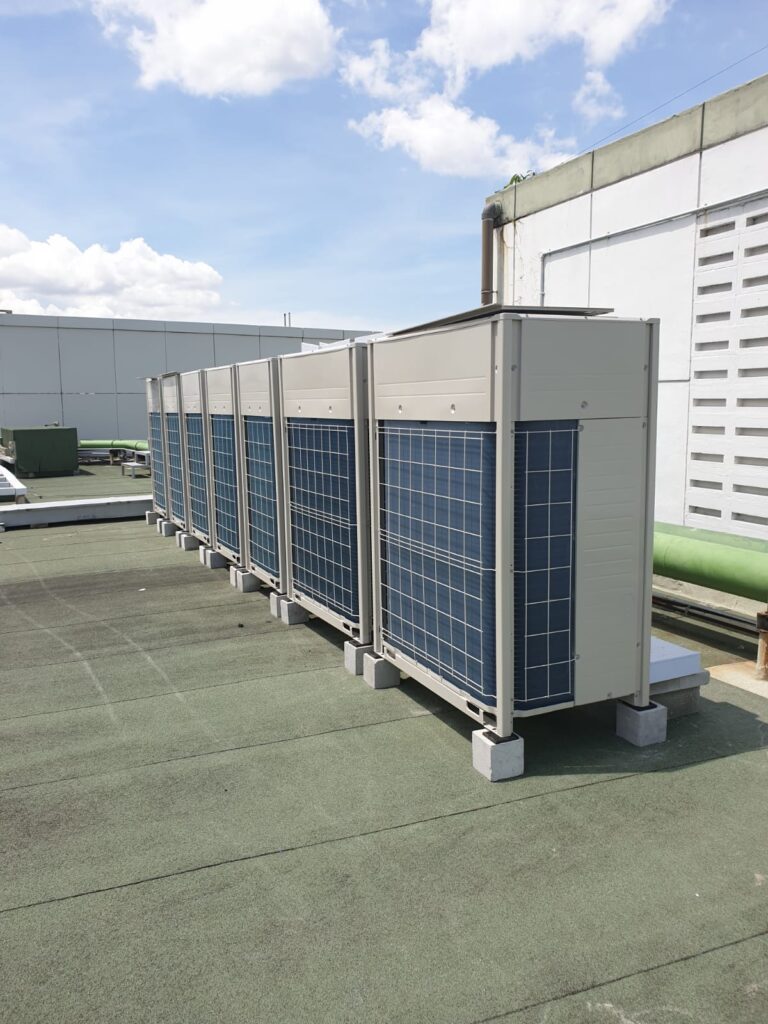
Commercial ACMV units on rooftop

↑ Heat transfer problems identified before build

ACMV & Built Environment Systems

Optimizing Thermal Comfort and Ventilation IAQ

We translate complex thermal profiles into balanced indoor layouts.

We map temperature fields, air speed vectors, and relative humidity to help consultants accurately verify indoor air quality (IAQ), mechanical or natural Air Changes per Hour (ACH), and thermal satisfaction metrics before breaking ground.

More On Natural Ventilation →

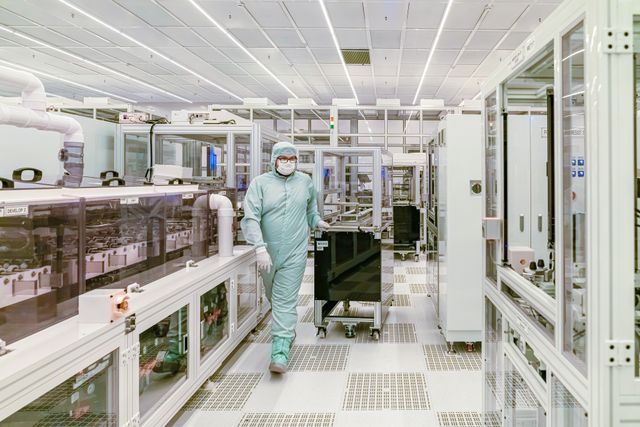
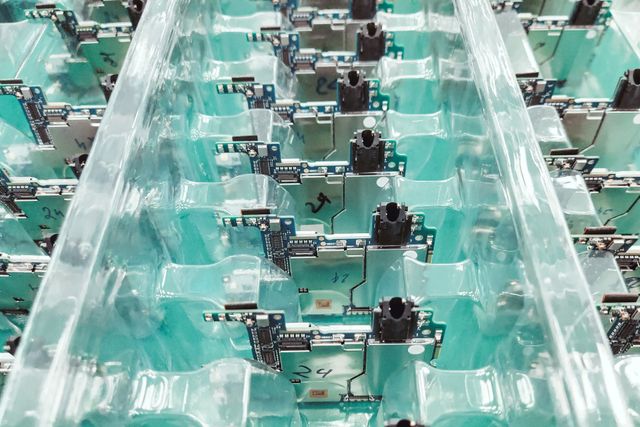
Circuit boards in protective trays

✓ BCA Green Mark & SS 553 compliance validated

Semiconductor & Controlled Cleanrooms

Contamination Control and Laminar Airflow Uniformity

To mitigate particulate contamination risks, we model directional airflow velocities, uniform diffuser layouts, and localized pressure cascades.

This guarantees cleanroom space environmental control that strictly complies with rigorous manufacturing guidelines.

More On Cleanroom Compliance →

Verification, Validation & Tools

Mathematically Sound Rigor: Our V&V Framework

To ensure our consulting conclusions translate flawlessly to real-world infrastructure, we back our simulations with strict Verification and Validation (V&V) protocols. We run precise relative fluctuation and residual tracking for velocity, temperature, and turbulence loops to ensure mathematical convergence and stability.

Enterprise Software We Use

ANSYS
OpenFOAM
Simscale
Cadence Reality DC
Hexagon Cradle CFD
Tileflow
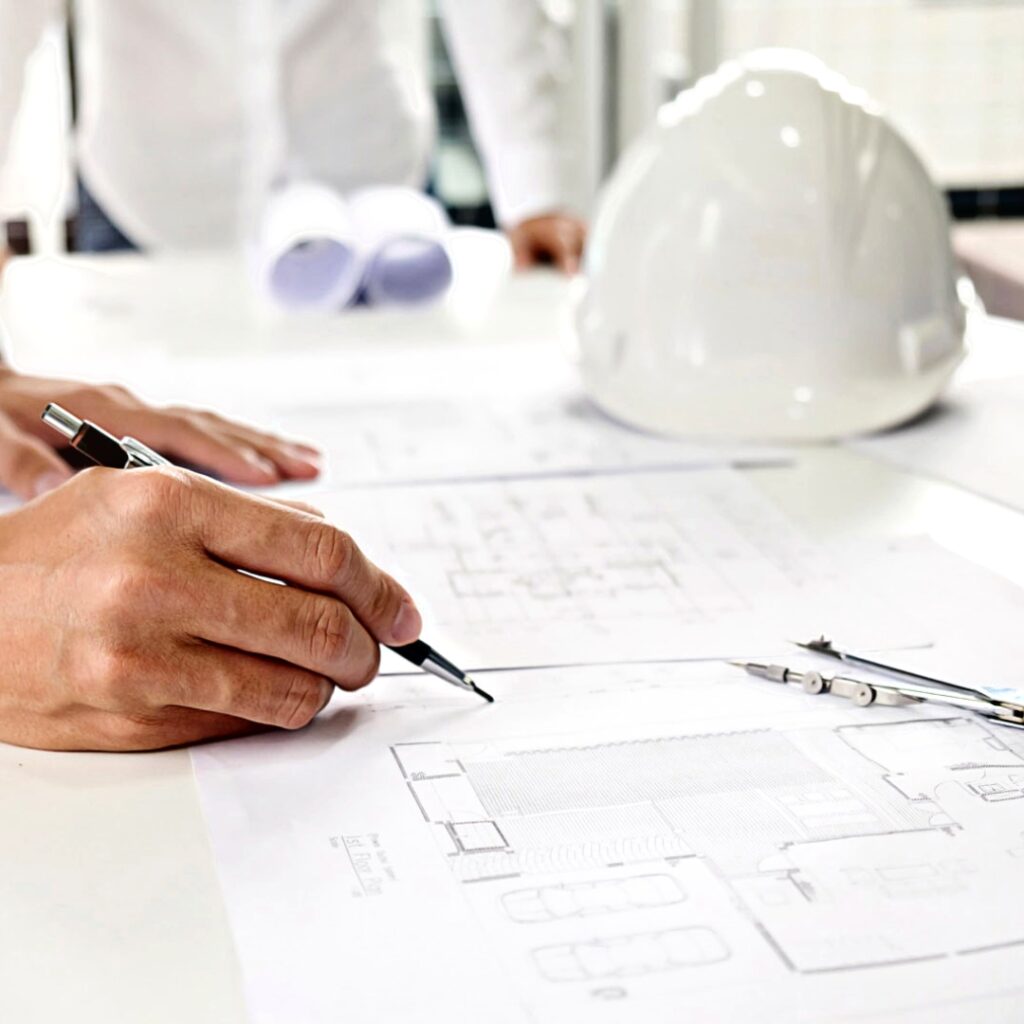
Hands sketching architectural plans, helmet on desk
Regulatory Standards Compliance

Audit-Ready Engineering Standards

Every CFD analysis and design recommendation we deliver is structured to easily pass regulatory checks, municipal procurement guidelines, and third-party peer reviews by aligning with local and international engineering benchmarks. 

In alphabetical order:

  • ANSI/ASHRAE Standard 55
  • ASHARE Liquid Cooling Guidelines for Datacom Equipment Centers
  • ASHARE TC9.9
  • ASHRAE 62.1
  • BCA Green Mark
  • Code of Practice on Environmental Health by NEA
  • GM Guideline on Computational Fluid Dynamics (CFD) Simulation
  • GMP Cleanroom Classifications
  • Green Mark HW Technical Guideline
  • ISO 6946
  • PEB Singapore
  • SCDF Fire Code
  • SS 553 — ACMV/HVAC
  • Standard ISO 14644-18 Cleanroom
Applications

Where Can CFD Analysis Be Applied?

Our team of engineers and specialists apply CFD to the spaces and systems where fluid flow outcomes matter most.

Data & Technology
  • Data center cooling
  • HVAC system design
  • Cleanroom ventilation
  • Server inlet optimisation
  • PUE improvement
Commercial & Offices
  • Office ventilation
  • Atrium natural ventilation
  • Smoking lounges
  • Fume hood design
  • Classroom ventilation
Fire & SAFETY
  • Fire management
  • Smoke management
  • Evacuation modelling
  • SCDF code compliance
  • Sprinkler effectiveness
Industrial
  • Warehouse fire simulation
  • Industrial ventilation
  • Generator set cooling
  • External building air flows
  • Vehicular facilities
Proven Results

CFD Projects We Have Delivered

Real projects. Real outcomes. Numbers you can verify.

Thermal Analysis

Data Hall Hotspot & Lifecycle Cost Optimization

How can an enterprise data hall eliminate critical localized hot spots causing equipment downtime while reducing high lifecycle cooling costs without installing additional air handling infrastructure?

Megagenix applied advanced computational fluid dynamics (CFD) to model rack-level heat flux and thermal profiles. By re-engineering the cold/hot aisle containment loops and balancing underfloor pressure distribution, our team optimized airflow delivery directly to the high-load server racks.

>38°C≤22°C
Server inlet temp
100%15%Localized cooling energy consumption
Fire Safety

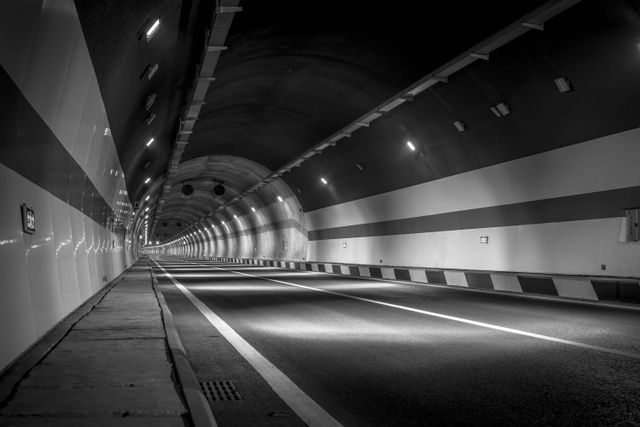
Enclosed Transit Infrastructure Smoke Extraction

How can an enclosed underground railway depot and transit interchange ensure strict passenger life-safety clearance timelines and prevent toxic smoke accumulation during an emergency fire scenario?

Megagenix executed transient smoke dispersion and thermal stratification simulations. Moving beyond basic validation, we optimized the operational pitch, thrust capacity, and automated activation sequence of the tunnel’s jet fan mechanical ventilation arrays to keep evacuation paths clear.

15min4minEmergency smoke clearance time
1.5meters12metersEvacuation route visibility level
Industrial

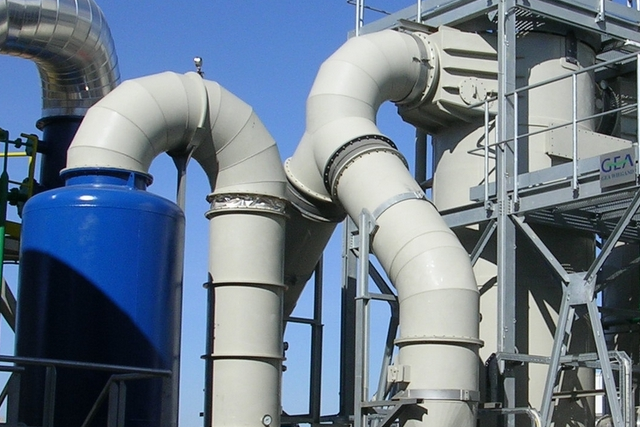
Process Piping Hydraulic Network Balancing

How can an industrial fluid transport facility eliminate severe piping friction losses and turbulent flow patterns that cause booster pump cavitation and system overdesign?

Megagenix simulated complex multi-diameter liquid transport mechanics across the plant’s hydraulic network. By precisely recalculating component pressure loss coefficients (K) and modifying high-friction conduit bends, we balanced the hydraulic loop and allowed the contractor to safely right-size the pump requirements.

5.2bar2.1barTotal pipeline pressure drop
100%52%Central chiller plant baseline load
Our Execution & Delivery Process

Responsive Engineering Aligned with Your Tender Window

Rapid Turnaround Setup

Streamlined model generation workflows to convert your preliminary CAD or single-line layouts into working mesh models quickly.

Agile Scenario Iteration

Testing multiple operational variations—such as partial load fluctuations, equipment failure points, and variable wind vectors—within tight timelines.

Direct Engineering Access

Fast, unhedged technical communication during cross-consultant design reviews with practicing specialists, not sales managers.

3 Phases of CFD Simulation Process

1
2
3

Pre-Processing

The initial stage involves defining the problem to be solved. We prepare 2D/3D geometry for CFD simulation and modelling using mesh generation. Flow condition, fluid properties, laws of physics, initial and boundary conditions and other variables are translated into mathematical models and equations in this stage.

Solving

In this phase, actual computations on discrete function values are performed by the CFD iterative solver. This step may need significant time or computing resources. Implementation and debugging are performed on the CFD software, while simultaneously conducting the simulation run based on design parameters and criteria.

Post-Processing

Once solved, our expert engineers analyze and visualize the results of the simulation. This is done qualitatively and quantitatively using reports, monitors, plots, 2D/3D images and animations. We verify, validate and draw conclusions based on the calculated results with industry-specific specialists to get a well-rounded analysis.

FAQ

Frequently Asked Questions | CFD Consulting

Common questions from engineering consultants, project managers, and facilities teams.

Most standard simulation shops act merely as software factories—they run basic models to produce color-coded airflow graphics that only prove your design works on paper. Megagenix moves beyond raw simulation output into true Engineering Decision-Making. We apply deep engineering interpretation to raw computational data to proactively detect hidden design flaws, right-size physical infrastructure, eliminate safety-margin inflation, and actively minimize your project’s initial capital expenditure (CAPEX).

Since our founding, our practicing mechanical and electrical engineers have successfully delivered more than 85 projects to over 50 global corporate stakeholders, main contractors, and government municipal agencies across Singapore, Malaysia, USA, Europe and internationally. Our cumulative optimization footprint includes simulating and validating over 50 MW of high-density data center cooling infrastructure.

Yes. By catching performance risks at the design validation stage, we eliminate post-installation rework costs. On average, our value-engineering adjustments deliver an ROI greater than 10 on project tenders. In specific commercial HVAC cases, our airflow configuration optimizations have delivered up to an 85% cooling energy saving (reducing utility bills by over $48,000 USD/year), and optimized chiller configurations have cut plant loads by 48% (saving up to $305,000 USD/year in utility overheads).

Yes. Our reports are prepared with regulatory submission in mind — including methodology documentation, boundary condition records, convergence plots, and result validation against relevant codes such as SCDF Fire Code, SS 553, and BCA Green Mark. We have supported successful submissions across multiple projects in Singapore.

We recognize that contractors face intense timeline pressure during bidding stages. We have engineered our model setup workflows to convert preliminary CAD drawings or single-line layouts into working fluid models with rapid turnaround. Furthermore, our agile computing capabilities allow us to test multiple operational failure or partial-load variations simultaneously, giving you a comprehensive technical proposal when you need it most.

Yes. When you partner with Megagenix, you communicate directly with practicing mechanical specialists and accredited data center experts (holding CDCP, CDCS, or CDCE credentials), not sales account managers. This ensures fast, unhedged technical clarifications and rapid scenario adjustments during your cross-consultant project coordination reviews.