Skip to content

CFD Simulation Sample for Data Centers

Summary

This case study demonstrates how Computational Fluid Dynamics (CFD) was used to optimize airflow and temperature distribution in a data center. By simulating both normal and contingency operating conditions, engineers identified inefficiencies, reduced hotspots, and validated the cooling system design to ensure reliable, energy-efficient, and sustainable operation.
Introduction

As data centers grow denser with high-performance servers, cooling demands rise sharply. Proper airflow management and temperature uniformity are critical to ensure equipment reliability, energy efficiency, and operational stability.

Without effective airflow design, uneven temperature distribution can lead to potential hotspots, wasted energy, and equipment deterioration. CFD simulations and thermal CFD analysis provides engineers with a predictive tool that visualises airflow patterns, identifies inefficiencies, and optimizes cooling layouts before physical implementation.

Objectives

The main objectives of this CFD study were:

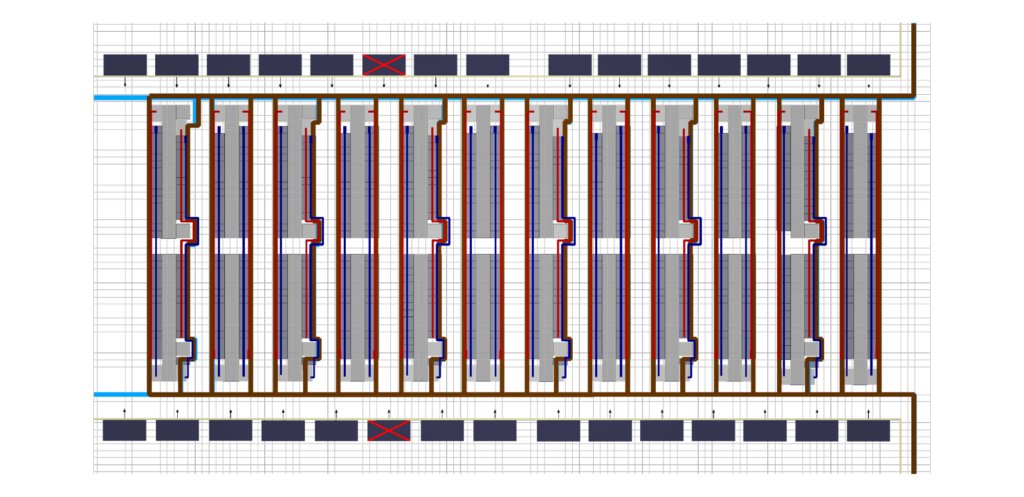
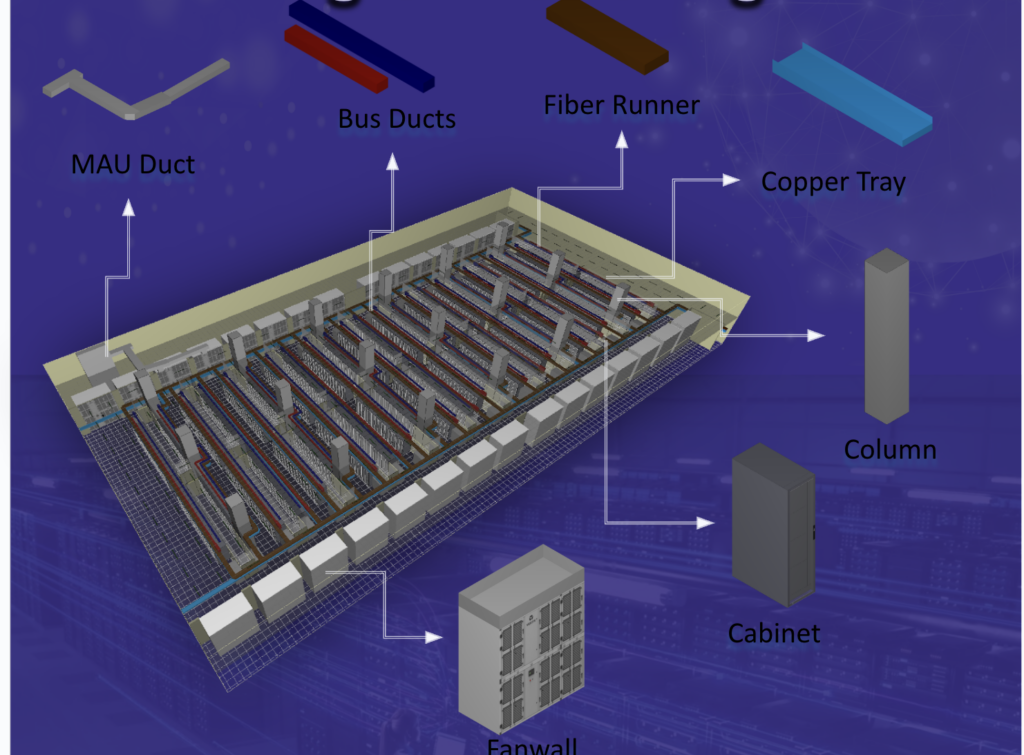
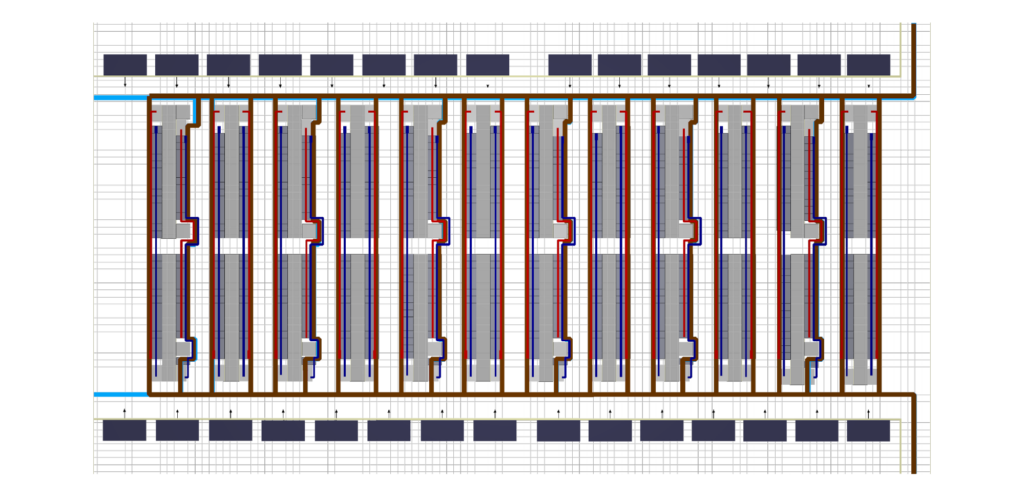
  • Create an accurate digital model of the data hall, including room geometry, rack layouts, perforated tiles, containment, cooling units, and major obstructions.
  • Define all inputs and boundary conditions: IT loads per rack, supply temperatures, fan curves, and leakage paths.
  • Ensure geometry and input data are precise before running simulations to produce reliable results.

Scope of Work

CFD simulation of the data hall supports:

  • Predictive Analysis: Detect thermal issues before they occur.
  • Cost Savings: Optimize airflow to reduce fan power consumption and improve energy efficiency.
  • Sustainability: Enable greener, more efficient operations through informed design choices.

Methodology

Planning & Modeling

A detailed digital model of the data hall was developed, incorporating room geometry, rack layouts, perforated tiles, containment systems, cooling units, and major obstructions. Key inputs and boundary conditions, such as IT loads per rack, supply temperatures, fan curves, and leakage paths, were carefully defined to ensure all geometry and data were accurate before running the CFD simulation.

Simulation

CFD simulations were developed to evaluate both normal operation and contingency conditions, including cooling unit failures, N+1 redundancy, and variable IT load distributions. The analysis assessed airflow direction, pressure distribution, and cooling coverage to confirm system resilience under all operating scenarios.

Cooling Units in Normal Condition

All cooling units were simulated under standard IT load conditions to verify stable airflow, uniform temperature distribution, and compliance with design specifications. This ensured that the cooling system could maintain optimal operating conditions during normal data center activity.

Cooling Units Under Breakdown or Under Maintenance

Simulations with one or more cooling units offline were conducted to assess system redundancy. These scenarios ensured that temperatures remained within safe limits during maintenance or partial cooling loss, validating the robustness of the cooling design.

CFD Analysis Results

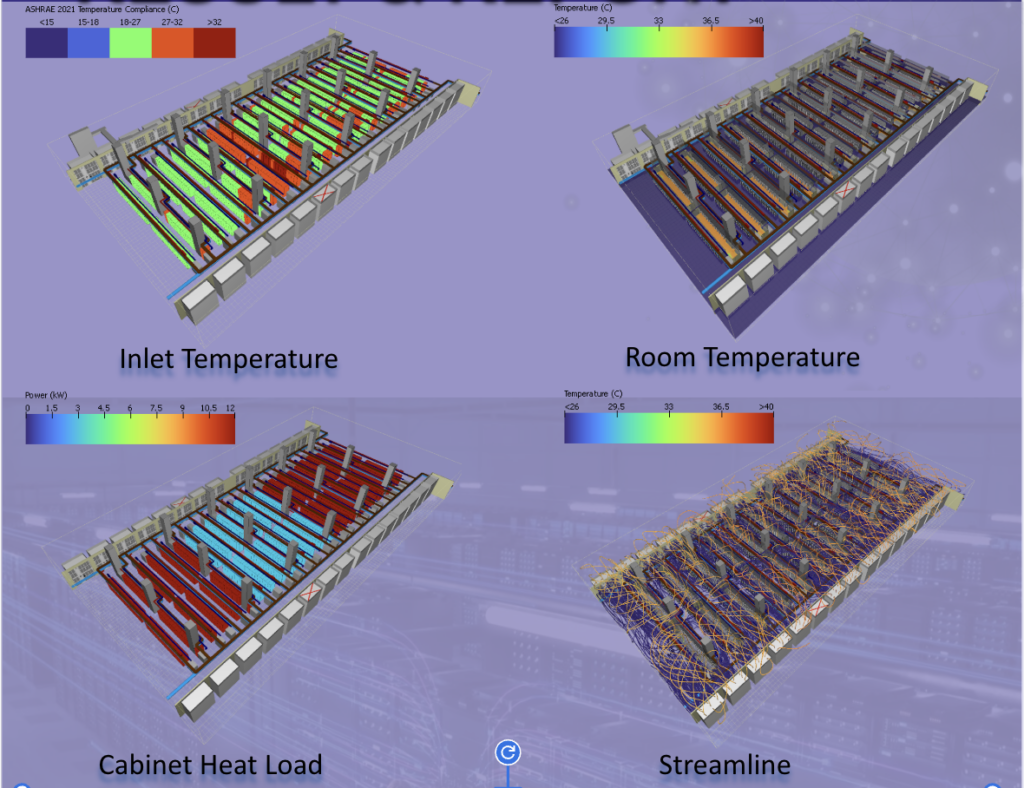
Simulation outputs enabled engineers to evaluate airflow patterns, temperature gradients, pressure distribution, recirculation zones, and hotspots, providing actionable insights for design validation and improvement.

Temperature Distribution

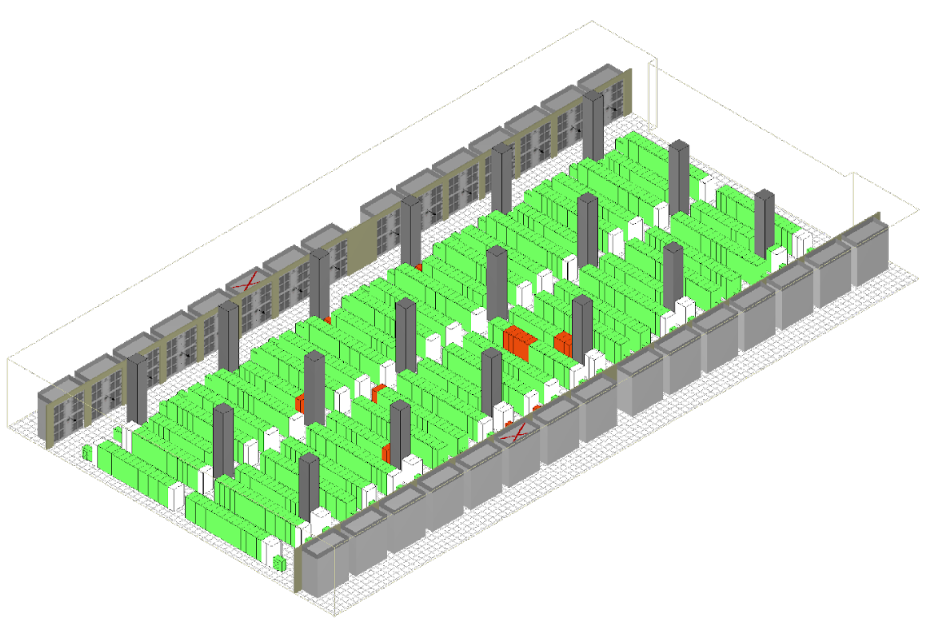
Before Improvement

Several racks exceeded the recommended 18–27 °C inlet temperature range, indicating insufficient airflow and recirculation issues. Sustained high inlet temperatures could potentially cause thermal stress, reduce equipment lifespan, and increase the risk of service downtime.

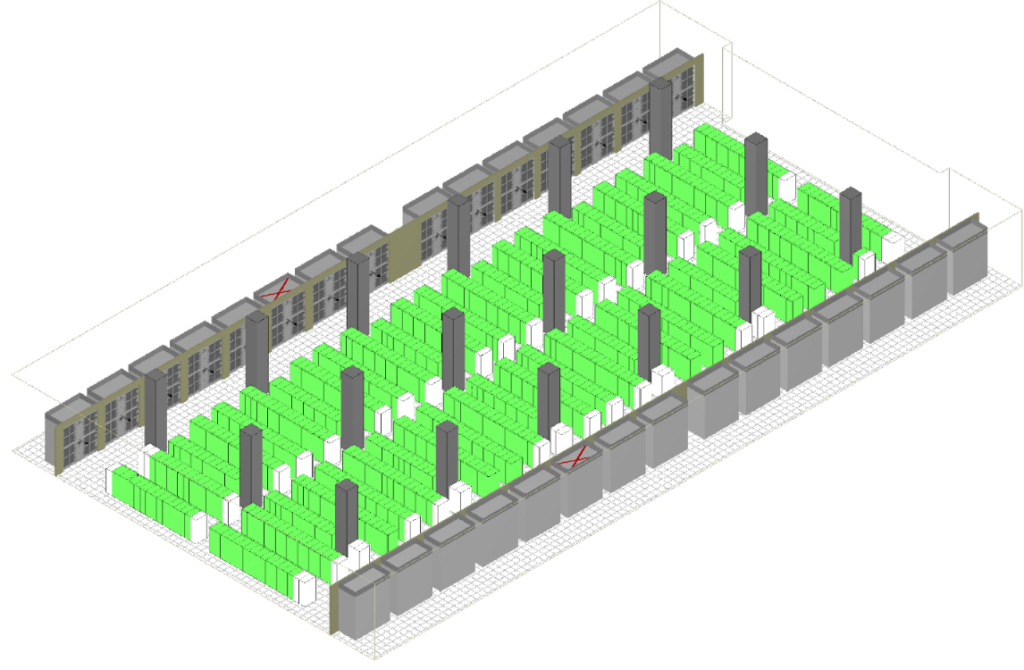
After Improvement

Optimized airflow restored all rack inlets to the recommended temperature range. Enhanced containment and supply balancing were simulated to see how they would minimize hotspots, protect equipment, and ensure energy-efficient, stable operation.

Simulation results were visualized to show airflow, temperature, and pressure distribution. Engineers analyzed inlet and outlet temperatures, velocity fields, recirculation zones, and hotspots to evaluate overall cooling performance and ensure compliance. A detailed report summarized methods, assumptions, key findings, temperature and velocity plots, identified issues, and recommended corrective actions.

Conclusion

CFD transforms data center cooling from reactive troubleshooting to predictive, proactive design. By simulating airflow, temperature, and pressure distribution, engineers can identify risks early, optimize cooling strategies, validate designs, and support energy-efficient operations.

Accurate modeling and clear analysis ensure safer, more reliable, and sustainable data center environments, well before physical implementation. For future projects, CFD remains an essential step to optimize performance, reduce energy costs, and maintain operational resilience.